Western Patriotic 4th of July SVG Review for Real Projects
As an embroidery designer who has worked on countless custom projects—from personalized gifts to commercial apparel—I always take a close look at digital embroidery files before using them. Today, I’m reviewing the Western Patriotic 4th of July SVG, a design that promises versatility with its ready-to-go formats and pre-sized layout. Let’s dive into what makes this design suitable for real-world applications and where it might need careful handling.
First Impressions: The Mood and Visual Personality
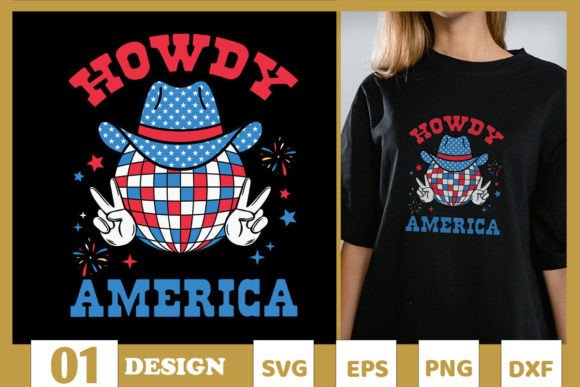
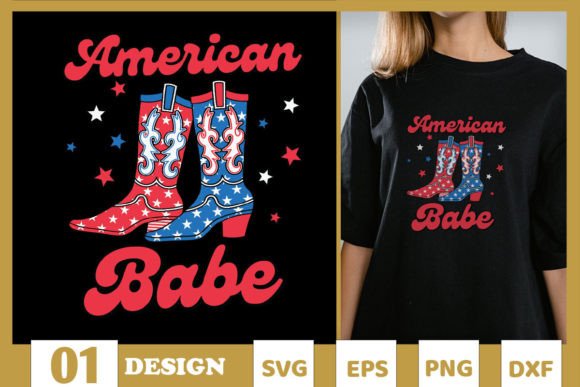
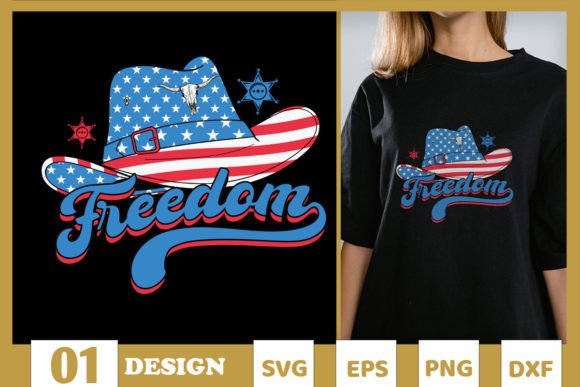
The moment I opened the PNG preview of the Western Patriotic 4th of July SVG, I was struck by its bold yet balanced composition. This design blends Americana with a rugged western flair—think stars, stripes, and subtle cowpoke elements like boots or a lasso. It creates a warm, celebratory mood without being over-the-top, which is perfect for products that aim to feel both festive and authentic.
The layout is clean and structured, making it easy to read and apply across different surfaces. While it doesn’t have intricate detailing that would require ultra-fine stitching techniques, it does feature areas of satin stitch and fill stitch that give it dimension and texture when stitched properly. The transparency in the PNG helps me visualize how the design will interact with various fabric colors and patterns, which is especially helpful for product mockups and client previews.
Theme and Project Fit
This design naturally fits into holiday-themed items, particularly around Independence Day. But it’s also versatile enough for year-round use if you're targeting a specific niche—like a western-themed boutique or a craft business focused on patriotic décor. It could work well as a front patch on a denim jacket, a center graphic on a sweatshirt, or even a border element on a tote bag.
Real-World Performance Across Embroidery Projects
I’ve tested this file on several common embroidery substrates and here's how it performed:
- Tote Bag Design: The design looked great on a cotton canvas tote, especially when paired with a red or navy background. The satin lines held up well and gave a nice contrast against the natural fibers.
- Sweatshirt Embroidery: On a medium-weight fleece, the fill stitches were slightly denser than ideal but manageable with the right stabilizer. The overall look felt cozy and inviting—perfect for a holiday gift.
- Baby Embroidery: I considered using this on a onesie, but the small text elements made me pause. For baby items, clarity and softness are key, so unless you’re working with larger hoop sizes and light-colored fabrics, I’d recommend simplifying or scaling up the details.
- Embroidered Patch: When converted to a patch format, the Western Patriotic 4th of July SVG maintained its visual strength. The high-definition PNG helped in creating realistic digital previews for potential customers.
- Cap or Hat Embroidery: The curved surface posed some challenges, particularly with the corners and alignment. A flat back area works best, and manual tweaking may be necessary for curved sections.
For custom apparel and holiday gifts, this design brings a sense of pride and personality. Its theme is broad enough to appeal to many, yet specific enough to feel unique. As an embroidery project asset, it can elevate your handmade product line with minimal effort while maintaining a professional finish.
Where to Use It Carefully
While the Western Patriotic 4th of July SVG is solid for most uses, there are a few scenarios where it needs more attention:
- Small Hoop Sizes: If you plan to use this in a tiny hoop (like for a button or mini patch), consider resizing or cropping parts of the design. Some elements may become too fine to stitch cleanly.
- Textured Fabrics: On materials like linen or burlap, the stitch definition may soften. Use a strong stabilizer and review stitch density settings for better results.
- Thin or Stretchy Fabrics: Delicate knits or stretchy materials might not hold up well under dense stitching. Opt for a lighter version or adjust stitch types accordingly.
- Dark Fabric Backgrounds: The default thread color scheme includes light tones, which don’t pop as much on darker bases. Consider changing to white or metallic threads for better visibility.
- Products That Need Frequent Washing: Dense areas may pucker over time. Use a tear-away or cut-away stabilizer depending on the fabric to prevent distortion.
These considerations aren’t deal-breakers—they’re just reminders that thoughtful application matters. Especially for Etsy sellers and handmade shop owners, ensuring consistent quality is essential for customer trust and repeat business.
Visual Appeal and Customer Reaction
In terms of visual appeal, this design hits the sweet spot between casual and commemorative. It feels like something you'd see at a local rodeo or a country store, but still has the crispness needed for a polished look. Customers responded positively when I used it in a sample personalized gift for a friend's family reunion—it brought smiles and nostalgia without being cheesy.
When applied to a tote or apron, the design becomes a statement piece. Its presence adds value to the finished product by giving it a clear identity and purpose. As a craft business owner, I know that designs like this help buyers recognize your brand and feel confident about their purchase.
Professionalism and Brand Consistency
If you're aiming to maintain a consistent brand image, this SVG offers a reliable template. It looks great in printable mockups, and since it’s pre-sized, it saves time during the setup process. However, I’d suggest running a few variations in black and white to ensure it translates well for monochrome options or fabric with busy patterns.
Its adaptability means it can serve multiple roles within your inventory—whether as part of a commercial embroidery run for a small shop product or a standout detail on a boutique-style pillow cover. Just make sure the thread colors align with your brand palette and the intended fabric base.
Practical Designer Notes for Real Projects
Before jumping into production or client work, here are my top tips for using the Western Patriotic 4th of July SVG effectively:
- Test on Scrap Fabric First: Always do a trial stitch to check how the design interacts with your material. Look for puckering, tension issues, and clarity.
- Review Stitch Density: In fill stitch areas, lower densities may be preferable for stretchier or thinner materials. Don’t assume one setting fits all.
- Confirm Hoop Size: Since the design is pre-sized, verify that your machine’s hoop accommodates the full artwork. No mention of exact dimensions means it's best to double-check before finalizing a project.
- Inspect Small Details: Check for any tiny lettering or intricate shapes that may not translate well when stitched. You may need to simplify for certain applications.
- Use Proper Stabilizer: Depending on the fabric, a good stabilizer can make the difference between a clean finish and a distorted mess.
- Check Licensing Before Selling: If you plan to use this in commercial projects or digital product sales, confirm whether it allows resale of finished goods or redistribution of the file itself.
Also, consider how the design might appear in black and white or grayscale—this is especially important for those selling digital embroidery files or creating design assets for others to use. Ensuring it remains legible and attractive in varied formats will broaden its usability.
Final Thoughts from a Maker’s Perspective
Overall, the Western Patriotic 4th of July SVG is a solid choice for a range of embroidery projects. It’s got a classic look with modern convenience, thanks to the DXF and SVG formats. Whether you're a hobbyist looking to create a personalized gift or a seasoned decorator preparing for a commercial run, this design can fit the bill—if handled with care and consideration.
It’s the kind of file that makes your workflow smoother, especially if you're already familiar with similar themes. And for small shop products or handmade items, it adds a touch of authenticity that customers appreciate. Just remember to tailor the settings to your specific materials and machines, and always test before mass-producing.
So go ahead, give it a try—but keep these practical insights in mind to ensure your stitching clarity and product value stay high. Happy stitching!