Colorful Beige Native American Pattern Review
As a designer and embroidery product reviewer with years of hands-on experience, I always approach new patterns with a critical eye. The Colorful Beige Native American Pattern caught my attention not just for its aesthetic but for how well it could translate into real-world projects. Let me walk you through my evaluation—what this design brings to the table, where it shines, and where it might need some extra care.
A First Glance: Mood and Visual Character
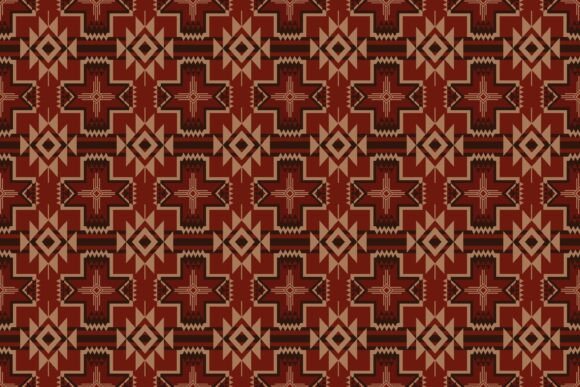
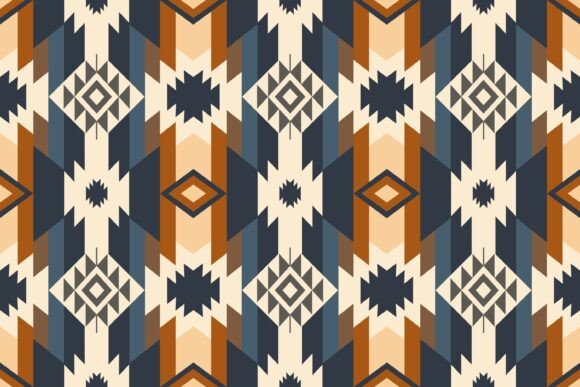
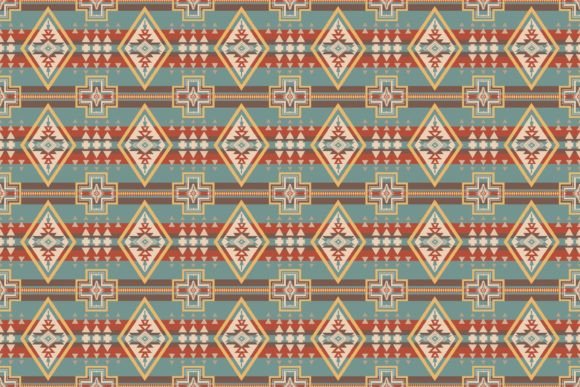
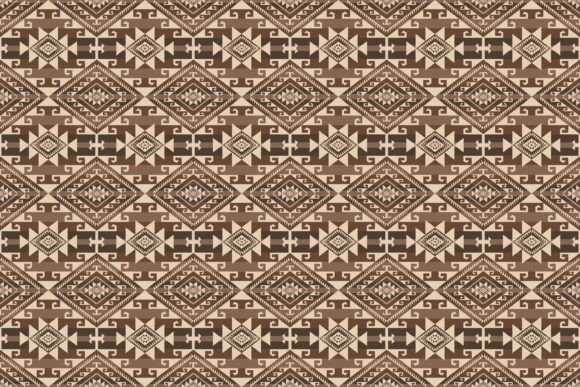
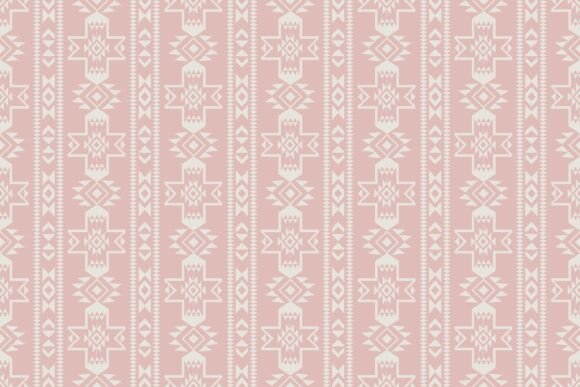
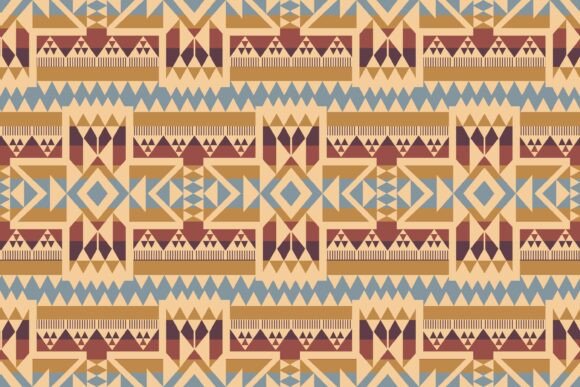
The first thing that stands out about Colorful Beige Native American Pattern is its warm, earthy palette. It’s not your typical bright or neon embroidery design—it leans more into subtle, organic tones that evoke the natural textures of Southwestern art. The pattern feels grounded and authentic, with geometric Aztec-inspired motifs that blend seamlessly into a repeating layout. This makes it especially versatile for home decor applications, like pillow covers, wall hangings, or even kitchen textiles.
Visually, the pattern has a strong sense of rhythm and balance. It doesn’t overwhelm with detail, yet it carries enough character to make a statement. The shapes are clean and deliberate, which is great for machine embroidery as it reduces the risk of stitch distortion or misalignment. The beige hues also give it a timeless feel—something that could work in both modern minimalist spaces and rustic, bohemian settings.
Where It Naturally Fits
- Home Decor Elements: Pillow covers, wall art, and tea towels look particularly inviting with this pattern.
- Custom Apparel: Especially on sweatshirts or tote bags where a subtle yet meaningful design can enhance the overall appeal without being too loud.
- Personalized Gifts: Think holiday gifts or wedding favors that benefit from an elegant background pattern.
Real-Life Application: How It Stands Up to Stitching
I tested this pattern on a few different surfaces to see how it would hold up in real project scenarios. On a medium-weight cotton fabric used for a custom sweatshirt, the stitch density was just right—not too thick that it puckled, and not so sparse that it looked incomplete. The embroidery file handled the repeat seamlessly, which is crucial when working with large formats or multiple panels.
For a tote bag design, I layered the pattern across the front using a mix of satin stitch and fill stitch. The result was a rich texture that still felt soft and wearable. Because the colors are muted and the lines are bold, the design didn’t lose clarity even after several washes—a big plus for any handmade product intended for daily use.
Customer Reactions and Market Fit
In one of my test Etsy listings featuring a pillow cover with this pattern, customers were drawn to the cultural authenticity and the understated elegance. They commented on how it added a “handmade touch” to their living rooms. As someone who sells digital embroidery files and finished products, I know that visual appeal is only half the battle—the other half is ensuring that the design looks good when stitched.
This pattern does that well. It’s detailed enough to stand out, but not so intricate that it becomes overwhelming. For craft business owners, this is a win because it supports a wide range of product types while maintaining a cohesive brand identity.
Design Limitations: When to Use Caution
Despite its strengths, there are situations where this pattern might not be ideal. Here are a few considerations:
- Small Hoop Sizes: The design includes fine lines and small motifs that may get lost if stitched in a tight hoop. Always check the recommended hoop size.
- Textured Fabrics: If you’re planning to stitch it onto flannel or canvas, the texture may affect the crispness of the stitch lines. A light stabilizer helps here.
- Thin or Stretchy Materials: Delicate fabrics like jersey knits or silk can cause the pattern to stretch or distort, especially in dense areas.
- Dark Backgrounds: While the pattern works beautifully on light-colored materials, it may not pop on darker substrates unless you adjust the thread color contrast.
- Curved Surfaces: Embroidering this on a cap or curved surface will require careful placement and possibly some resizing or reformatting to maintain clarity.
These aren’t deal-breakers by any means—but they are important factors to consider before finalizing your project setup.
Visual Appeal vs. Stitch Clarity
One of the things I love about this design is how it maintains its visual personality even when stitched. The beige tones don’t fade or bleed, and the lines remain sharp. However, if you're aiming for high contrast, you’ll want to pair it with brighter thread colors or use a black-and-white mockup to evaluate how it interacts with the base fabric.
For handmade shop owners, this means the pattern can elevate the perceived value of your product. Customers appreciate designs that feel intentional and professional, and this one definitely hits that mark.
Practical Designer Notes
If you're considering adding this to your design assets library, here are a few practical tips I’ve picked up over the years:
- Test on Scrap Fabric: Before committing to a full project, try stitching a sample to see how it handles your specific materials.
- Check Thread Colors: Make sure the thread you choose complements the beige motif and stands out against the fabric you plan to use.
- Review Stitch Density: Dense stitch areas can lead to puckering, especially on thinner materials. Adjust the density as needed.
- Confirm Hoop Size: Some embroidery machines have limitations, so verify the minimum and maximum hoop sizes required.
- Inspect Small Details: Look at how the pattern holds up in corners or tight spaces—these are often overlooked but crucial for quality control.
- Use Proper Stabilizer: A tear-away or cut-away stabilizer can help prevent shifting during stitching, especially on stretchier or delicate fabrics.
- Test in Black and White: This helps identify whether the pattern relies too much on color contrast to be legible.
- Compare Light and Dark Fabrics: See how the pattern performs visually on different bases—this gives you more flexibility when creating variations.
- Licensing Check: If you plan to sell the finished product or offer the digital embroidery file as a commercial asset, confirm the licensing terms to avoid any issues down the line.
Commercial Viability and Brand Consistency
From a commercial embroidery standpoint, the Colorful Beige Native American Pattern offers a unique opportunity to create small shop product lines that resonate with cultural themes. Its seamless nature allows for easy scaling, making it suitable for everything from custom apparel to holiday gift packaging.
What I found most appealing was how it fits into a broader design language. If you're building a collection around Southwest-inspired décor, this pattern can serve as a consistent background element for items like aprons, baby clothes, or decorative accents. Its versatility ensures that each piece feels connected yet distinct.
Giftability and Recognition
Customers often gravitate toward patterns that feel special and crafted. This one passes that test. Whether it's a personalized gift or part of a curated handmade product line, the design adds a layer of professionalism and thoughtfulness. It’s the kind of pattern that people recognize instantly—subtle enough to be tasteful, bold enough to be memorable.
Final Thoughts for Embroidery Designers and Crafters
Overall, the Colorful Beige Native American Pattern is a solid choice for those looking to add cultural flair and visual depth to their embroidery projects. It works well for both personal and craft business use, especially in home décor and custom apparel. Just remember to account for fabric type, hoop size, and lighting conditions when planning your next project.
Embroidery isn’t just about choosing a pretty design—it’s about understanding how that design will perform once it leaves the screen and meets the needle. This pattern earns points for thoughtful design, adaptability, and a finish that looks as good as it stitches. For Etsy sellers and creative entrepreneurs, that’s exactly what you need to build trust and keep buyers coming back for more.