Vintage Native American Pattern: A Designer’s Real-World Evaluation
As an experienced embroidery designer and product reviewer, I often find myself sifting through digital patterns to determine which ones are truly worth the investment. When I first saw Vintage Native American Pattern, it caught my eye with its rich cultural aesthetic and vibrant color palette. This design is clearly aimed at home decor and craft projects, but how does it really perform when you start stitching it onto real products? Let me walk you through a practical evaluation from a designer’s point of view.
First Impressions and Visual Personality
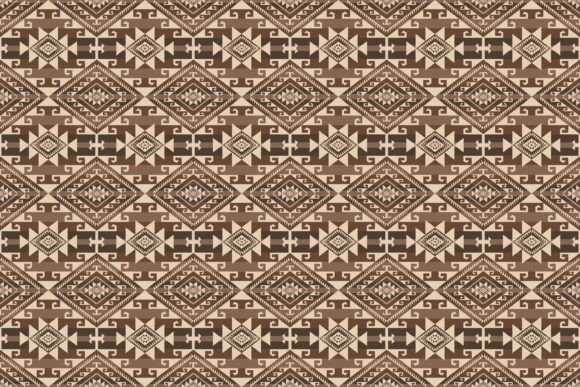
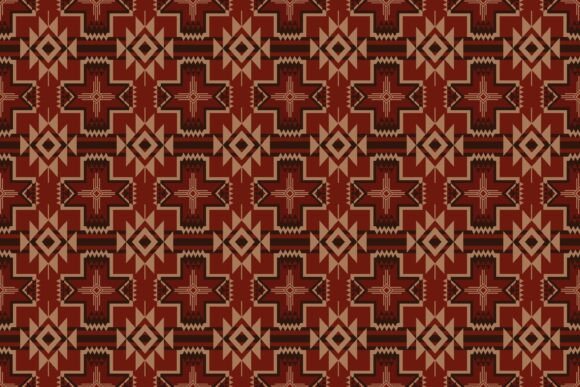
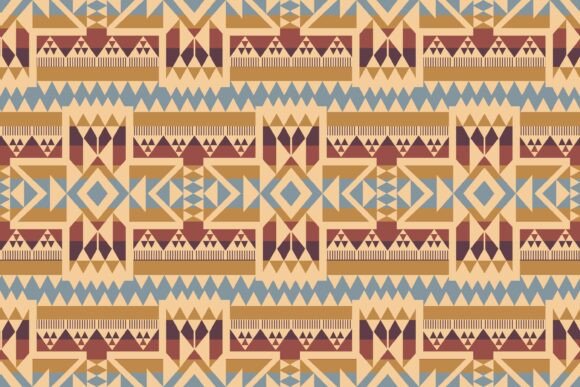
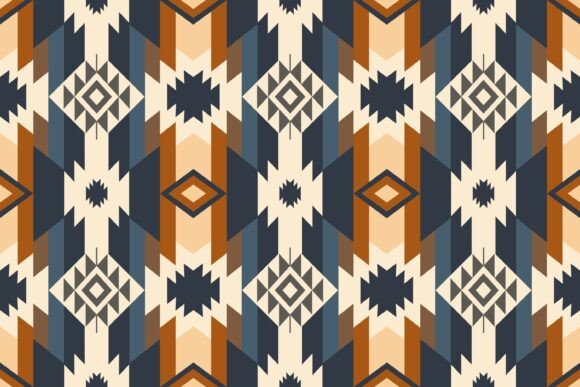
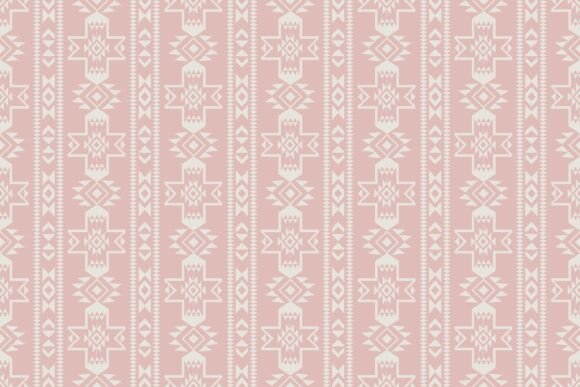
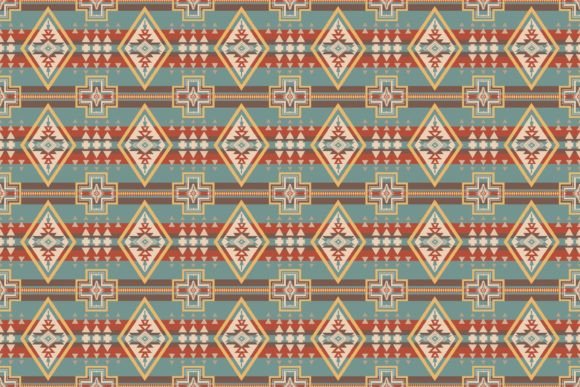
The Vintage Native American Pattern has a distinct Southwestern charm that immediately evokes warmth and tradition. It features geometric shapes, stylized tribal motifs, and intricate lines reminiscent of Aztec or Navajo-inspired art. The pattern repeats seamlessly, making it ideal for larger surfaces where continuity is important—like pillow covers or tote bags. What stands out is the balance between detail and simplicity; it's not overwhelming but still carries enough character to make a statement.
This kind of design lends itself well to handmade products that aim to feel authentic and thoughtful. It doesn’t scream modern minimalism, but rather offers a timeless appeal that can work across a range of embroidery projects, especially those tied to cultural themes, holiday gifts, or boutique-style branding.
Real-Life Application Scenarios
I recently considered using this design on a custom tote bag design for a client interested in creating a line of artisanal market bags. The seamless nature of the pattern made it perfect for covering the entire surface without visible breaks. I also tested it on a sweatshirt embroidery project for a small shop owner who wanted something bold yet tasteful for their winter collection. In both cases, the design added a unique visual punch that elevated the overall look of the finished product.
Here are some other scenarios where this pattern shines:
- Custom Apparel: Especially on sweatshirts, hoodies, and long-sleeve tees where the pattern can wrap around the chest area or be used as a full-back print.
- Home Decor Projects: Think throw pillows, aprons, tea towels, or even table runners. The pattern’s scale and complexity suit these items beautifully.
- Holiday Embroidery: Wrapped into a festive gift box label or stitched onto a personalized ornament, it brings a touch of heritage and celebration.
- Embroidered Patches: With a little tweaking, the pattern could be adapted into a smaller, repeatable patch suitable for jackets or denim accessories.
- Boutique Branding: For small shop product lines looking to stand out with a cohesive look, this pattern can be used consistently across multiple items like mugs, hats, or wall hangings.
Design Considerations for Stitching Success
While the machine embroidery design looks great on screen, translating it to fabric requires attention to several key factors:
- Thread Color Contrast: The original colors are bold and vivid, but if you're working with darker fabrics, you may need to adjust thread colors to ensure visibility. Test different combinations to see what pops best.
- Stabilizer Use: Given the level of detail and the potential for use on delicate or stretchy materials, a good stabilizer is essential. I recommend using tear-away or cut-away stabilizers depending on the fabric type to avoid puckering or distortion.
- Stitch Density: Some areas of the pattern have dense fill stitch sections. If your machine struggles with tight stitches, consider adjusting the density slightly to prevent fabric damage or stiff results.
- Hoop Size: While the pattern is designed for home decor and larger items, always double-check the recommended hoop size. If it exceeds your machine’s capabilities, scaling down might compromise the clarity of the details.
- Fabric Texture: This pattern works best on smooth or medium-weight cottons. Textured or thin fabrics might distort under the weight of the stitches, especially in densely embroidered areas.
When to Proceed with Caution
There are certain situations where this design should be approached carefully:
- Small Hoop Sizes: The intricate elements may become too small or lose their impact when scaled down for patches or caps.
- Stretchy Fabrics: Stretchy materials like spandex blends or knits can cause misalignment or distortion in the final result.
- Detailed Corners: If your project involves corners or curves, test the design on a scrap piece to ensure the pattern remains aligned and clear.
- Products That Need Frequent Washing: Because of the dense stitch areas, frequent washing could lead to fraying or fading unless high-quality threads and proper stabilization are used.
Customer Appeal and Marketability
From a business perspective, the Vintage Native American Pattern can add significant value to your offerings. Customers love designs that tell a story, and this one definitely does. Its ethnic and vintage vibe appeals to those interested in bohemian, rustic, or culturally inspired décor. As an Etsy seller or craft business owner, using this design can help build a brand identity rooted in authenticity and quality.
However, it’s crucial to maintain brand consistency. If your shop leans more towards minimalist styles, this pattern might clash with your existing product lineup. But if you’re aiming for a curated look with a touch of heritage, it fits right in.
For personalized gifts or holiday embroidery, the pattern adds a decorative layer that feels handcrafted and intentional. It elevates simple items like baby blankets or nursery wall art into meaningful keepsakes. And for commercial embroidery projects, it can serve as a versatile background element or border in larger compositions.
Designer Tips for Implementation
To ensure the best outcome when using Vintage Native American Pattern, here are some tried-and-true tips:
- Always test the design on scrap fabric before committing to a final product. This helps you evaluate how the stitch density affects the material and whether adjustments are needed.
- Use printable mockups to visualize how the pattern will appear on the end item. This is especially helpful when selling digital embroidery files to buyers who aren’t sure how the design will translate to fabric.
- Check the thread colors against your fabric choices. Sometimes the contrast isn't as strong in person as it appears digitally.
- Inspect the pattern for tiny lettering or very fine details. These may require additional attention during stitching to avoid loss of clarity.
- If you plan to sell finished items or digital product previews, confirm the licensing terms. Many free or low-cost patterns come with restrictions that could affect your sales strategy.
Adaptation and Customization
One of the strengths of this pattern is its adaptability. Whether you want to incorporate it into a custom apparel design or use it as part of a design assets library for your next creative venture, there's room for experimentation. You could isolate specific motifs and combine them with text or other graphics for a unique look. Or simplify the pattern by reducing stitch count in less prominent areas to save time and resources on production.
Final Thoughts from the Needle Down
In summary, the Vintage Native American Pattern is a solid choice for embroidery designers and creative entrepreneurs who want to add depth and cultural richness to their projects. It works particularly well on larger items where the design can breathe and shine. Just be mindful of the technical requirements and choose the right applications based on fabric and customer expectations.
If you're considering adding this to your handmade product line or craft fair products, take the time to understand how it interacts with different materials and scales. It’s not just about how the design looks—it’s about how it behaves under the needle and how customers perceive it once it's stitched.
With the right preparation, this pattern can become a signature element in your portfolio. It enhances product value, builds customer trust, and gives your creations a distinctive personality that sets them apart in a crowded marketplace. So go ahead—explore the possibilities, but do it with care and creativity.